BPI - Johannesburg, South Africa
[1985 - 1989] continued...
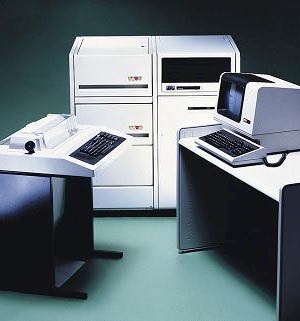
BPI also developed and supported the larger scale
ELCON SCADA package, operating on DEC
PDP11 series mini-computers under RSX11M-Plus.
The software was mostly written in
RTL/2 with some encapsulated
PDP11 Macro assembler code and was developed internally,
by BPI, between 1981 and 1989. The development team comprised of
Abel Acuna, Peter Moffat, Kobus Oosthuizen, Neil Gaynor, Ludwik
Tomalak, Phillip Delcroix, Andre Kuzner, Ian Read, Peter Tandy, Stan Komar,
Steve MacKenzie, Paul Tennant, Dr. Rob Clarkson and Tedy Shalev (myself).
My involvement was chiefly in three areas: as Team Leader and member of
the same team, in the FEP - Front End Communication Co-processor project
and as sole developer of the Alarm Annunciator and the FEP Comms QZ11 driver retrofit.
Front End Communication Co-processor
The control devices traditionally connected to SCADA systems
mostly used either asynchronous or synchronous serial communication.
A the serial I/O devices for
PDP11 that were available at the time did not provide much buffering
on board and all required CPU service on input interrupt, system performance
was critically affected by high traffic volumes at high baud rates.
In order to offload this activity, a project was initiated to move the
serial communication required by the system into a Front-end Communications
Co-processor or FEP for short. The specification called for diskless
PDP11 satellite FEPs networked back to multiple
host stations on a
Positronika TechLAN network. This project proceeded
timeously and no problems have been experienced in the field as a result
of software faults subsequent to the release of the final approved version.
The Prospecton Breweries - ELCON with FEPs installation - Durban, South Africa
1985 - 1989
© 2005-2012 Shanit